Cardiovascular health is a serious topic for many people all over the world. Education on heart health begins as early as elementary school in the United States. Despite this early exposure, however, many individuals face issues within this area. Some issues are genetic and a predisposition towards cardiovascular issues forces this group to be more conscious of their nutritional status. Other groups, however, lack proper nutrition and diet education and can sometimes fall into a pit with their cardiovascular health.
No matter which side of the spectrum you fall into, know that there are some nutritional and diet implications that can help with this health issue! The American Heart Association is a great tool and resource that offers a variety of information to appeal to a wide range of people. According to their website, they first talk about a lifestyle change that is sometimes hard for people to get on track with; beginning to exercise. They state that 150 minutes per week of moderate intensity exercise is crucial to cardiovascular health (American Heart Association). Now although this seems like a lot, consider that this is merely a 20 minute walk every day for a whole week.
While exercise is crucial, the diet and nutritional changes needed are another key component. First and foremost, let us talk about what we need to emphasize before we get into what we need to cut out. As most would expect, it is crucial to increase and eat a variety of fruits and vegetables. This group is often over talked about and over looked by people wanting to make a change. Adding onto the fruits and vegetables, make sure they are fresh if possible but if not, that they limit the added sugar as we move forward (American Heart Association). As to not overwhelm with additions, we will only add one more with just adding fiber-rich whole grains to the diet. The addition of this will help with blood cholesterol levels and also lower the risk of heart disease as well as others (American Heart Association).
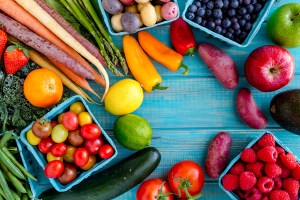
Credit photo: The American Heart Association
As mentioned, we need to add items and begin to cut some out. While there are many food items to cut out, it is important not to overwhelm and expect people to change their lifestyle overnight. Given this, our first item to release will be limiting or cutting out foods high in saturated fat. Most people hear about saturated fat and know it is not good for you, but why you might ask. To put it very simply, foods high in this fat ultimately raise cholesterol levels and high cholesterol levels lead to an increase in risk for heart disease and stroke (American Heart Association).

Credit photo: The American Heart Association
Although this might seem like a lot of information and much to digest, let us breakdown the lesson for today. Add a variety of fresh or frozen fruits and vegetables to the diet without added sugar. This is a great start on your journey towards better cardiovascular health. Second, add fiber rich whole grains into the diet to lower cholesterol levels and decrease the risk for cardiovascular diseases. Last, limit or cut out saturated fats to also lower cholesterol levels and risk for cardiovascular issues.
References:
“The American Heart Association’s Diet and Lifestyle Recommendations.” Www.heart.org, http://www.heart.org/en/healthy-living/healthy-eating/eat-smart/nutrition-basics/aha-diet-and-lifestyle-recommendations.
 Nutrition and the role it plays to remedy many health issues